
A few weeks ago, I stood beside an unmarked grave in Yew Tree Brake Cemetery in the Forest of Dean. Buried there is a man whose name we still do not know.
Known as Forest of Dean Man, his remains were discovered by two walkers in woodland between Cinderford and the Speech House Hotel in September 1984. More than 40 years later, despite extensive enquiries, he has never been identified.
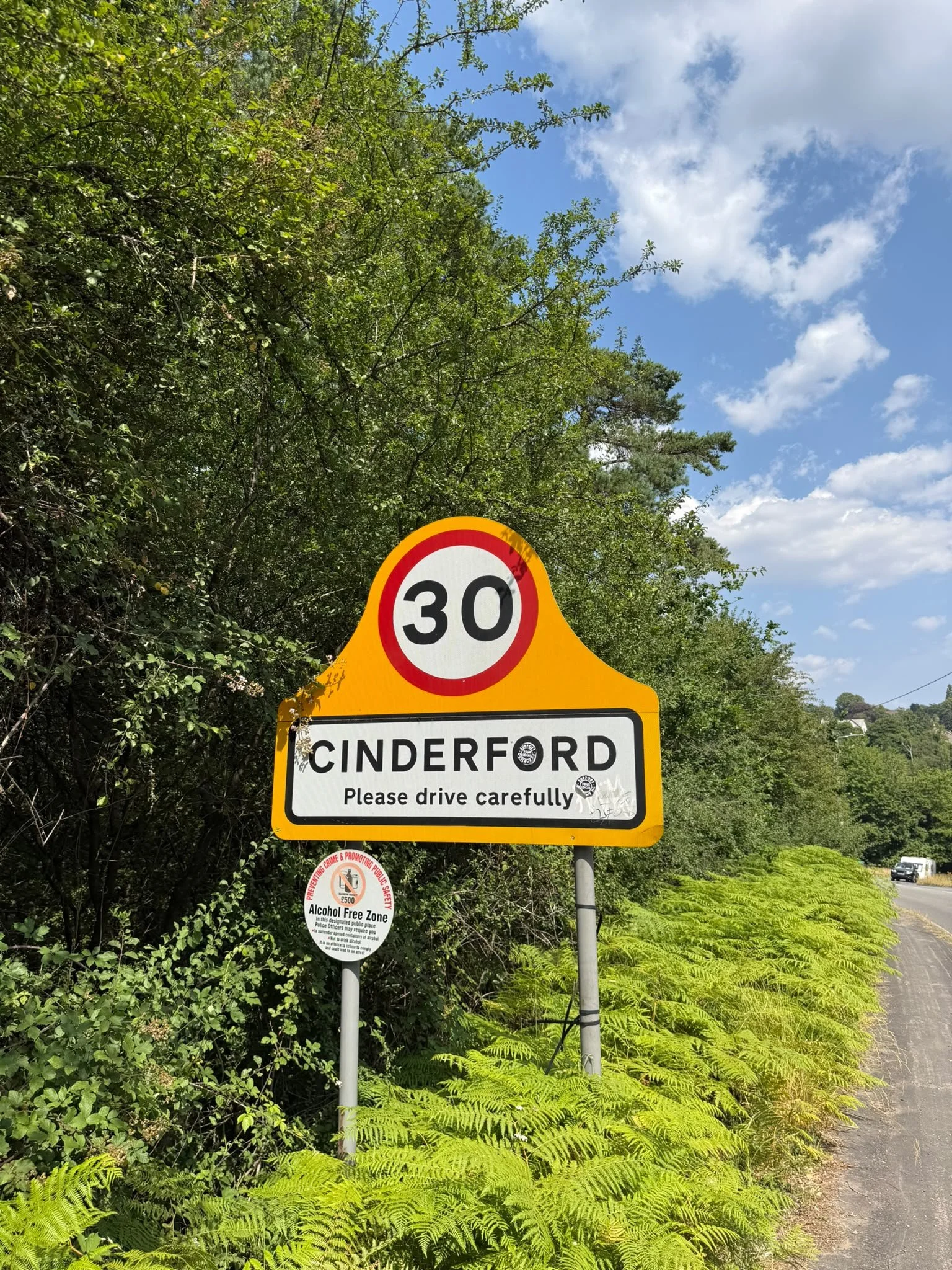
Cinderford Town Sign
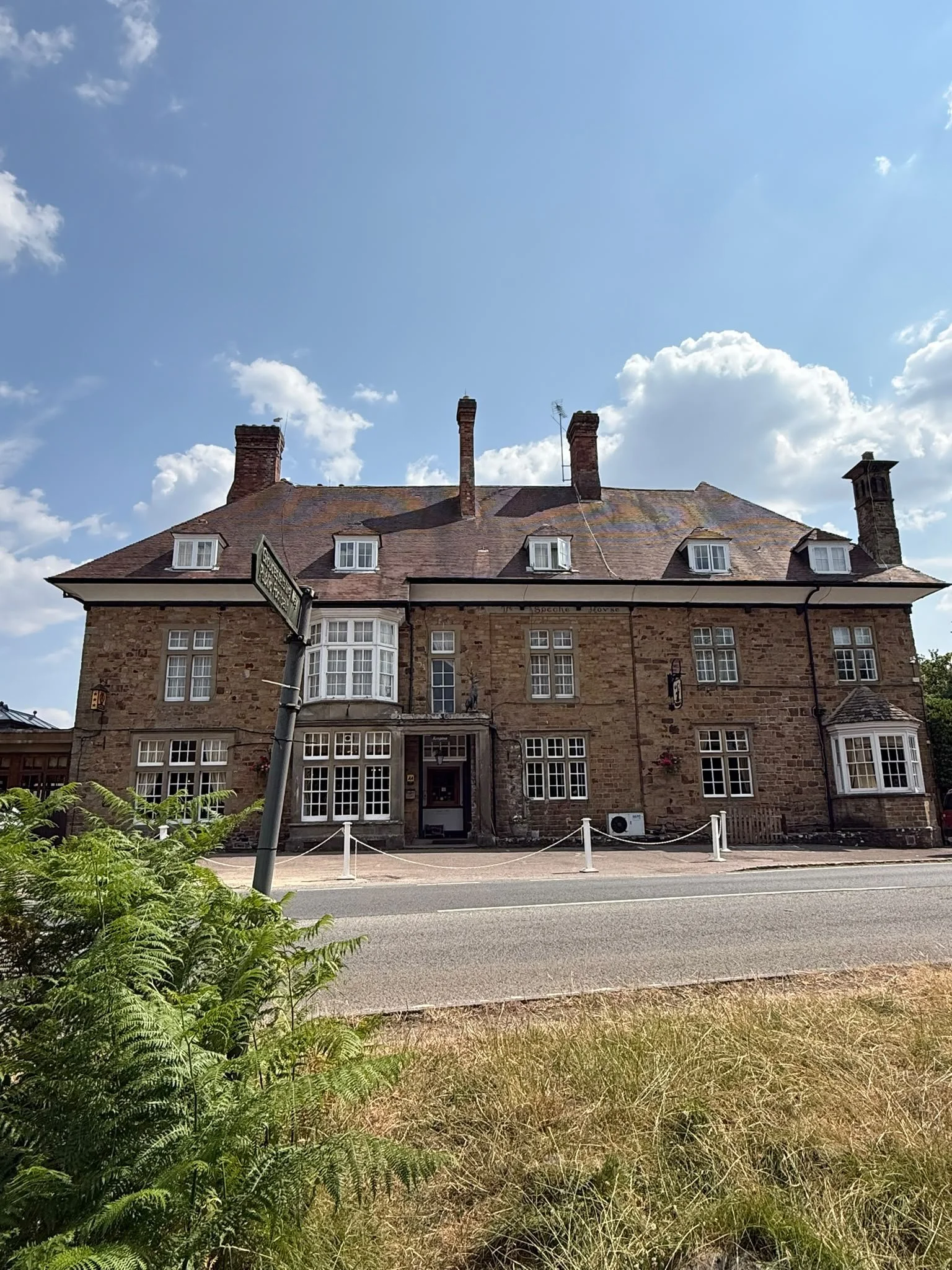
The Speak House Hotel
I knew the details of his case before I arrived. I had spent time working with colleagues at Locate International to raise awareness of it and had helped brief Matt Bishop, MP for the Forest of Dean, ahead of our visit. But I do not think I was prepared for quite how moving I would find standing at his grave.
There is nothing there to tell you who is buried beneath it. No name. No dates. No inscription offering even the smallest glimpse of a life.
I was there with Locate International Co-Founder Dave Grimstead and Matt Bishop. Together, we laid flowers at the grave. It was a simple gesture, but an incredibly poignant one.
Forest of Dean Man was not always an unidentified person or a case number. He was somebody who had a name, relationships, memories, and a place in other people's lives. Someone knew him.
Standing there made Locate's mission to name the unidentified feel much less like a statement on a website and much more immediate. His identity has been lost, but his humanity has not.
That is why, more than four decades later, continuing to search for his name still matters.
Why involve an MP?
My role at Locate is as its volunteer Public Affairs Lead, looking at how political engagement can complement the extraordinary investigative work undertaken by Locate's volunteers.
I have spent much of my professional life working in and around politics, including working in Parliament and serving for eight years as a local councillor. One thing that experience has taught me is that political engagement is most valuable when there is a clear purpose behind it.
For Locate, it is not about political engagement for its own sake. It is about helping our work reach people who may be able to make a difference.
In the case of Forest of Dean Man, Matt Bishop brings a particularly valuable combination. He is the MP for the community in which this man was found, but he also has a background in policing. That gives him both a strong connection to the local community and an understanding of the realities and pressures facing those tasked with investigating complex cases.
MPs speak to hundreds of people through their constituency work. Their offices have relationships with local organisations, community groups, and the media. Their social media reaches residents we may never otherwise reach. And sometimes an apparently ordinary conversation can create a connection that nobody involved in an investigation could have anticipated. That matters in a case like this.
We know there are people who lived, worked and walked in the Forest of Dean in the early 1980s who may remember something. Perhaps they remember a lone walker, someone staying locally, an item of clothing, or conversations after the discovery was made. Perhaps they heard something they dismissed at the time or assumed somebody else would report.
Our latest appeal, supported by Matt, asks people to revisit those memories. It also asks those who know nothing about the case themselves to share it through their families, local groups, community forums and social media networks. After more than 40 years, the person who knows something may no longer live in the Forest of Dean at all. Political support gives us another way of reaching them.
Beyond one case
Our visit also gave us an opportunity to talk to Matt about the wider work of Locate International and some of the challenges surrounding long-term missing and unidentified person cases.
Locate's volunteers bring skills from policing, academia, research, forensic disciplines and many other professional backgrounds. They give their time because cases that have remained unresolved for years, sometimes decades, still deserve attention.
But there is also a wider issue around capacity.
Police forces and coroners face enormous competing demands. Long-term cases can involve extensive files and information accumulated over many years and revisiting them takes time and resources. Yet advances in technology, new information or simply a fresh review can sometimes create opportunities that did not exist when an investigation first took place. That is an area where Locate's model has real potential.
It is also where political engagement can matter in a different way. MPs can ask questions, make connections and bring people together. They can raise issues with Ministers and agencies and help create space for conversations about practical solutions.
That does not mean every meeting needs to end with a parliamentary debate or an immediate policy announcement. Sometimes the most useful first step is simply ensuring that the right people understand both the problem and the potential.
Our conversation with Matt was an opportunity to do exactly that. We hope it will be the beginning of a wider discussion about how Locate's volunteers and expertise might provide additional capacity to help agencies revisit cases that might otherwise remain unresolved.
A reminder of why we do it
Public affairs can sometimes sound abstract: meetings, briefings, parliamentary questions, roundtables and stakeholder engagement. Standing beside Forest of Dean Man's grave was the opposite. It was a tangible reminder of the person at the centre of all of this.
Dave and I laid flowers with Matt because, although we do not know this man's name, his life still deserves to be acknowledged. His grave should not be forgotten simply because his identity has been lost.

The unmarked grave of Forest of Dean Man
And while our visit created an opportunity to talk about policy, capacity and the wider role politicians can play, its most immediate purpose was much simpler. We want people in the Forest of Dean to look again.
If you lived, worked or spent time in the area during the early 1980s, think about what you remember. Talk to relatives and friends who were there. Share the appeal in local groups and communities.
You do not need to decide whether something is important before contacting us. That is our job.
After more than 40 years, even the smallest recollection could help us get closer to answering the question that still sits at the heart of this case:
Who was Forest of Dean Man?
If you have any information about Forest of Dean Man, however small or uncertain it may seem, contact Locate International at appeals@locate.international, call 0300 102 1011, or visit the Forest of Dean Man appeal page here.